
Facing eviction is stressful—but you are not powerless.
While no two situations are exactly alike, acting quickly can help preserve your housing options and reduce the risk of legal eviction. Below are resources and guidance for individuals facing eviction or seeking legal and housing support.
Learn about your tenant rights, the eviction process, and the protections available to you. Coalition members offer clear, practical information to help renters understand what to expect and how to navigate housing challenges. Staff can also connect you with legal assistance, advocacy, and support services. Knowing your rights is a critical step toward maintaining safe and stable housing.
Key things to do:
- Read all notices and legal papers carefully.
- Note any deadlines (for replying, paying, moving out, etc.).
- Document everything (letters, emails, text messages, notices, photos if relevant).
- Do not ignore the situation — not responding will limit your options.
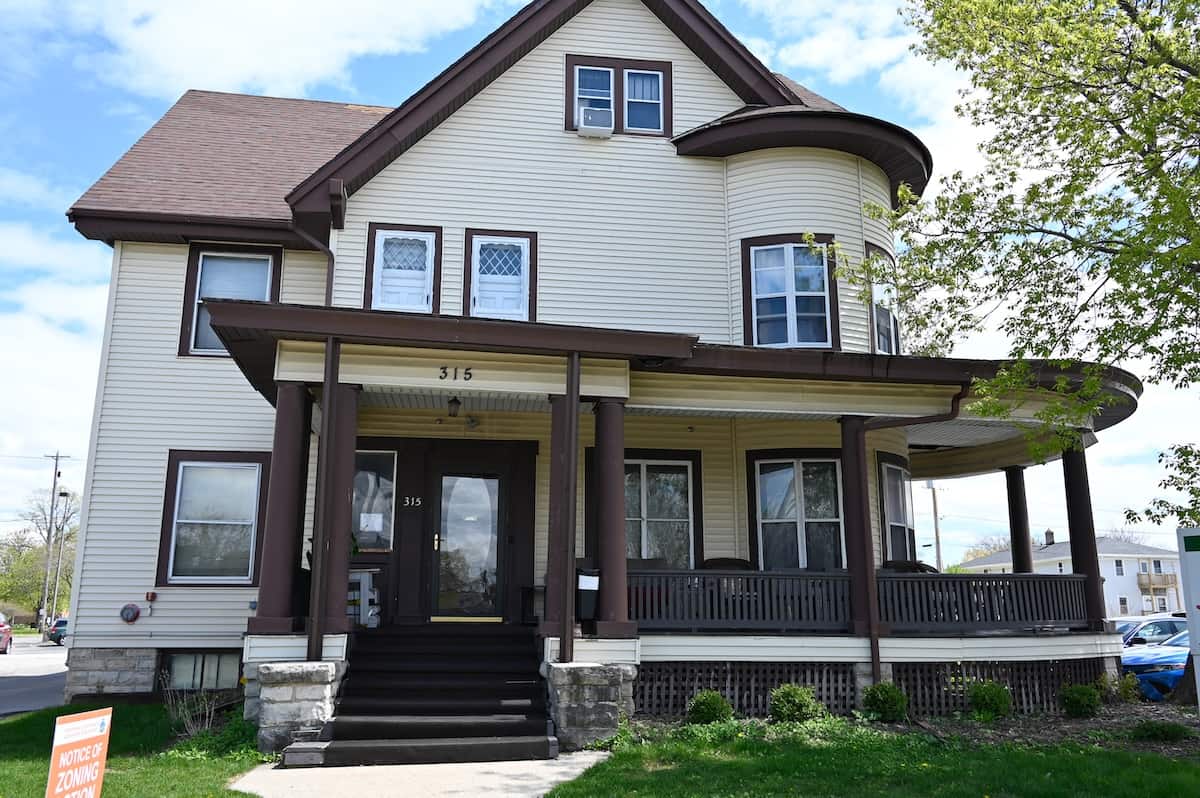
Understand the Eviction Process in Wisconsin
Here’s a general overview of how evictions happen in Wisconsin, and how they apply in Brown County.
1
Notice to Tenant
Before an eviction can proceed, a landlord must give the proper “notice to quit” (or termination of tenancy), depending on the lease type, and the reason for eviction (non‐payment of rent, violation of lease terms, etc.).
For example, if rent is unpaid, the landlord may give a 5-day notice to quit, allowing you to pay or move out.
2
Filing an Eviction
(Small Claims / Summary Proceedings) - If the tenant does not comply, the landlord may file an eviction lawsuit in the circuit court (or small claims court, depending on the amount owed and local rules) under Wisconsin law. In Brown County, the forms and court records can be accessed via the county’s Clerk of Circuit Court webpage. Brown County Government+1
3
Judgment and Writ of Restitution
If the court rules in the landlord’s favor, a writ of restitution (eviction order) will be issued, authorizing the sheriff to remove you and your belongings if you do not move out voluntarily. Brown County Government+1 In Brown County, the sheriff’s office handles the execution of the writ once it is served. Brown County Government
4
Your Rights as a Tenant
You do have rights, and knowing them can make a big difference.
- Under Wisconsin statute Chapter 704 (Landlord & Tenant) tenants have protections. Wisconsin State Law Library
- The landlord cannot lock you out, turn off your utilities, or physically remove you without a court order. (These are illegal “self-help” evictions.) eForms+1
- Even if an eviction is filed, you can respond, contest it, or ask the court for more time (depending on your situation).
- Having an eviction or a writ issued can make it harder to rent housing later. For example, Brown County eviction filings remain on public record. embed.clearimpact.com
- The state law library notes that eviction records can persist for years and affect future housing. Wisconsin State Law Library
5
What You Should Do Right Away
Here are concrete steps you can take right now:
- Contact the landlord – See if there is a possible resolution: payment plan, partial payment, lease modification, or relocation assistance.
- Call for help – Dial 2-1-1 (United Way/211) in Brown County to ask for rental assistance, eviction prevention programs, or legal aid. The “Resource Guide for Renters & Landlords in Brown County” recommends this. NeighborWorks Green Bay
- Reach out to local nonprofits (for example, your organization, House of Hope Green Bay, or others) to seek guidance and advocacy.
- Find legal or housing counseling – Low-cost or free legal help may exist for tenants facing eviction. Use resources listed on the state law library’s Landlord/Tenant page. Wisconsin State Law Library+1
- Gather your documents – Lease or rental agreement, rent payment records, correspondence with landlord, notices received, proof of hardship (job loss, medical bills, etc.).
- Explore rental assistance programs – There may be funds local to Brown County that help prevent eviction by covering back rent, utility arrears, or move-in costs.
- Consider moving proactively – If staying isn’t possible, begin planning for relocation: identifying affordable housing, applying for assistance, and packing up gradually to reduce stress.
6
Longer‐Term Considerations & Prevention
- If you manage to avoid eviction, try to maintain regular rent payments, communicate early with your landlord when difficulties arise, and consider building a savings buffer for rent.
- Secure a lease that is stable, understand your lease terms, and know what your responsibilities and rights are.
Frequently Asked Questions
Contacts & Resources in Brown County
- United Way 2-1-1: Dial 2-1-1 or text your ZIP to 898-211 to get connected with housing & rent assistance.
- Clerk of Circuit Court, Brown County: For court forms, records, filing questions.
- Brown County Sheriff’s Office – Civil Process Division: Handles writs of restitution (evictions).
- Tenant and Landlord Resource Guide: Downloadable PDF for detailed local help. NeighborWorks Green Bay
- Wisconsin State Law Library – Landlord/Tenant page: For statewide legal info. Wisconsin State Law Library
- Housing Counseling and Nonprofit Agencies
- To learn more about the available resources and local organizations helping with prevention, eviction assistance, and referrals.
- LEARN MORE
- To learn more about the available resources and local organizations helping with prevention, eviction assistance, and referrals.
Additional Resources