Understanding Homelessness in Brown County
The annual State of Homelessness Report provides a comprehensive look at how homelessness and housing instability affects individuals, families, and communities in Brown County. Using local data and trends, the report highlights the number of people experiencing homelessness, the demographics most impacted, housing gaps, and emerging challenges. It also tracks outcomes over time, helping community partners, policymakers, and service providers understand where resources are most needed and how collective efforts are making a difference.
This report serves as a vital tool for guiding strategies, raising awareness, and informing action to prevent homelessness and expand housing stability across the county.
Key Trends
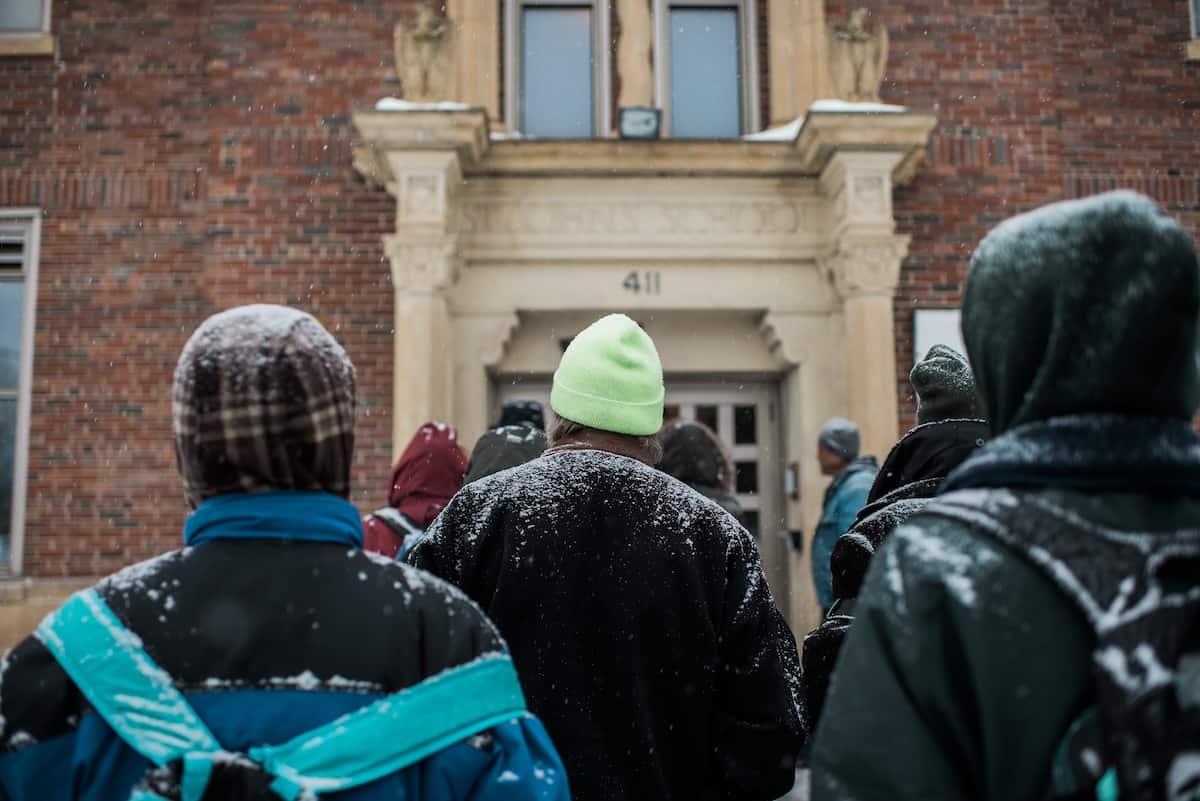
The number of people experiencing unsheltered homelessness is rising, and youth and seniors are among the fastest-growing groups in this category. The 2025 Point-in-Time (PIT) count recorded 73 unsheltered individuals in Brown County.
School Homelessness: Data indicates that one in every 20 students enrolled in Green Bay Area Public Schools (K-12) experienced homelessness in the preceding year
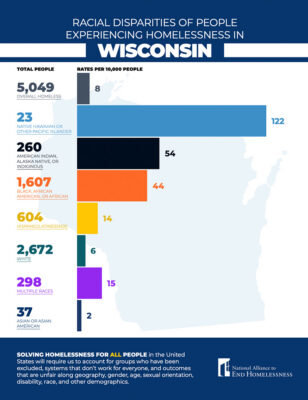
People who identify as Black or African American are 13.7x as likely to experience homelessness compared to people who identify as white or caucasian.
People who identify as American Indian or Alaska Native, or Indigenous, are 8.8x as likely compared to people who identify as white or caucasian.
Among emergency shelter clients, 68% reported mental health concerns, and 70% experienced domestic violence or trafficking.
System Data
Brown County regularly tracks and reports system performance using key metrics such as service utilization, housing outcomes, and point-in-time counts. This data informs decision-making and supports continuous system improvement.
The Impact of Housing
Housing market conditions help explain why more people are experiencing homelessness and why it has become increasingly difficult for individuals and families to secure safe, stable housing.
The 2020 and 2025 Green Bay Housing Market Study examines the existing balance between housing supply and demand to identify gaps in the availability, type, price, and location of housing in Green Bay and surrounding communities. Together, these studies provide a detailed picture of our progress along with ongoing challenges and opportunities to expand affordability and access.
Key Findings
- Following the 2008 recession, housing construction in Green Bay grew slowly and remained below levels needed to meet future demand. The 2020 Housing Market Study noted that post-recession housing starts reflected national trends of slow recovery and limited new construction.
- By 2018, demand was beginning to outpace supply. The study found that home values were rising again after years of stagnation because of "demand outstripping supply," a classic sign of a tightening housing market.
- The 2020 Housing Market Study concluded that Green Bay needed to add approximately 140–310 rental units and 170–380 owner-occupied units annually to keep pace with projected growth, demonstrating that a significant supply gap already existed by 2020.
- The City's 2025 update found that many of the same housing gaps remain and that demand continues to exceed supply, particularly for affordable and family-sized housing units.
Understanding Homelessness
Homelessness is complex, and many people have similar questions about who experiences it, what causes it, and what solutions actually work. Click each question below to explore these topics in more detail.
Watch this short video to learn more about what's being done to help end homelessness.
Video goes here